
Posted on Leave a comment

Labour of tomorrow: high-paying jobs of the future

digital job

Labour of tomorrow: high-paying jobs of the future

Automation, artificial intelligence, climate change and digital globalization are reshaping entire industries. For a small yet highly dynamic country like Malta, these changes are not distant trends; they are immediate realities. The labour of tomorrow is being shaped today, and those who choose to train early in emerging professions will be the ones commanding the highest salaries in the years ahead.

Malta’s strategic position in the Mediterranean, its strong services economy and its rapid adoption of digital technologies make it uniquely positioned to benefit from future-focused careers. At the same time, the island’s limited workforce means that specialized, high-skill roles will become even more valuable and better paid. Preparing for the labour of tomorrow is not only about personal success but also about strengthening Malta’s competitiveness on the global stage.

AI-driven careers

Artificial intelligence is no longer experimental technology. It is rapidly becoming the backbone of finance, healthcare, logistics, marketing, gaming and government services. In Malta, where sectors like iGaming, fintech and digital services are already central to the economy, AI-driven careers will dominate the labour market of the future.

AI engineers, machine learning specialists, data scientists and automation architects will be among the most sought-after professionals. These roles require deep technical skills in programming, mathematics and systems thinking, but they offer exceptional earning potential. As companies in Malta increasingly adopt AI tools to streamline operations and gain competitive advantages, professionals who can design, train and maintain intelligent systems will command premium salaries.

Cybersecurity is another digital field set to explode in importance. With Malta positioning itself as a digital and financial hub, protecting sensitive data will become critical. Cybersecurity analysts, ethical hackers and digital risk managers will not just be support roles, they will be strategic decision-makers safeguarding national infrastructure and corporate reputations. As digital threats grow more sophisticated, the value of cybersecurity expertise will rise sharply.

Blockchain and decentralized technologies will also play a vital role in Malta’s economic future. The country has already positioned itself as a forward-thinking jurisdiction for digital assets. Developers and compliance experts who understand blockchain infrastructure, smart contracts and digital regulation will find themselves in high-paying positions as these technologies become embedded in mainstream financial systems.

Training in coding, data analytics, AI development, and cybersecurity today is an investment in tomorrow’s income. Universities, online platforms and specialized bootcamps offer accessible pathways into these fields. Those who start now will be ahead of the curve when demand peaks in the coming decade.

Green economy and sustainable infrastructure

Climate change is not simply an environmental issue: it is a massive economic driver. The global transition toward sustainability is creating entirely new professions and transforming traditional ones. For Malta, an island nation vulnerable to rising sea levels and environmental pressures, green expertise will become indispensable.

Renewable energy engineers, sustainability consultants, and environmental data analysts will be at the forefront of Malta’s infrastructure transformation. Solar and wind technologies are expanding, and as Malta increases its reliance on renewable energy sources, professionals trained in energy systems design and maintenance will be highly valued.

Sustainable construction and green architecture will also shape the labour of tomorrow. As environmental regulations tighten across Europe, developers in Malta will need architects and engineers who understand eco-friendly materials, energy-efficient design, and climate-resilient construction. These professionals will not only earn competitive salaries but will also influence how Malta evolves physically over the next fifty years.

Electric mobility and smart transport systems represent another growing field. With increasing investment in electric vehicles and intelligent traffic management, specialists in battery technology, charging infrastructure and smart grid systems will find lucrative opportunities. Given Malta’s dense urban landscape, innovative transport solutions will be essential, making these roles central to national planning.

Training in environmental science, renewable engineering, sustainable design, and green project management today will position individuals for leadership roles tomorrow. The green economy is not a niche, it is becoming the core of modern development policy, and Malta is no exception.

Human-centric digital services

As automation handles repetitive tasks, uniquely human skills combined with digital fluency will define another category of high-paying careers. The labour of tomorrow will value professionals who can blend technology with creativity, empathy and strategic thinking.

Virtual reality and augmented reality developers will shape industries from gaming to education and tourism. Malta’s thriving entertainment and digital gaming sectors create fertile ground for immersive experience designers. As virtual environments become mainstream for training, marketing and remote collaboration, specialists in immersive design will be in high demand.

User experience designers and digital product strategists will also play critical roles. In a competitive global market, Maltese businesses must offer seamless, intuitive digital platforms. Professionals who understand human behavior and can translate it into elegant digital solutions will be highly valued, especially in finance, healthcare,and e-commerce.

Telemedicine and digital health services are expanding rapidly. Healthcare professionals who combine medical training with digital systems knowledge will be uniquely positioned. Remote diagnostics, AI-assisted treatment planning and digital patient management systems will redefine healthcare delivery in Malta, particularly given the island’s compact geography and growing population.

Digital marketing strategists and online brand managers will continue to grow in importance as businesses compete globally. However, future marketing roles will require deep data analysis skills and AI integration, not just creativity. Professionals who can interpret large datasets and craft personalized campaigns will earn significantly more than traditional marketers.

As these professions emerge and mature, visibility becomes essential. Promoting these new services and skills online is no longer optional. Platforms such as Saverbookr provide an important space for professionals in Malta to showcase emerging expertise, connect with clients and build reputations in innovative sectors. Early adopters who position themselves on digital platforms gain trust and recognition before markets become saturated. In the labour of tomorrow, being discoverable online will be as important as having the skills themselves.

Other articles

Posted on Leave a comment

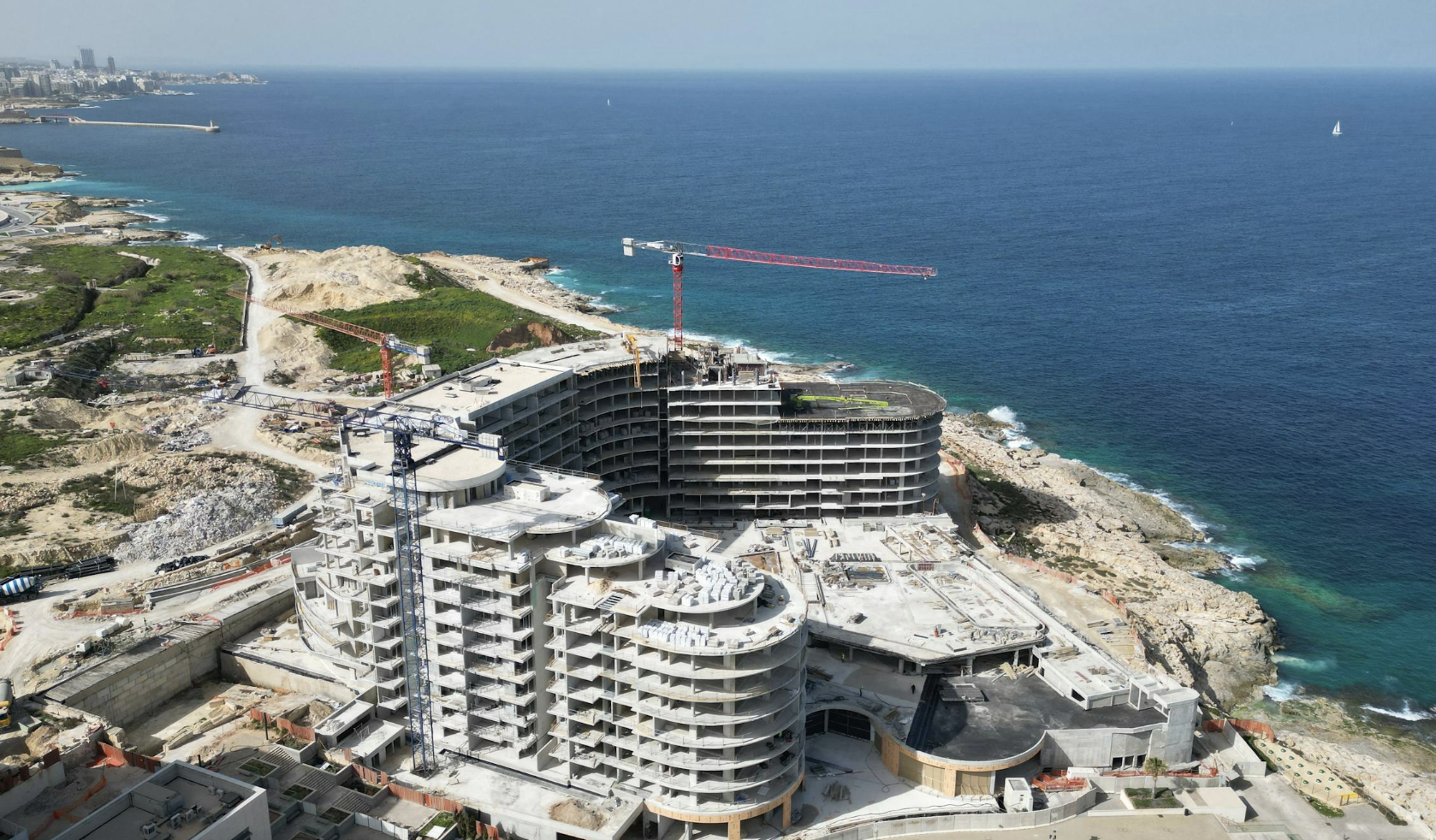
Construction in Malta: what every homebuyer needs to know

Construction Malta

Construction in Malta: what every homebuyer needs to know

The Maltese property market has unique quirks and challenges that can catch buyers off-guard if they’re not fully prepared. From the island’s long planning procedures to hidden construction faults, understanding what to scrutinize before signing is the key to avoiding disappointment, unexpected costs and legal headaches.

Malta’s building landscape

Malta’s construction industry combines modern developments with a dense stock of older stone buildings. Many of the picturesque traditional townhouses or older apartment blocks were constructed decades ago, long before modern comfort and energy standards were introduced. As a result, properties built before recent regulatory reforms often suffer from poor thermal performance, inadequate sound insulation and latent issues like dampness or humidity, problems that are common in Mediterranean climates and significantly affect living comfort and running costs.

In contrast, new builds and contemporary developments are required to meet stricter standards that include better insulation, double-glazed windows, and energy efficiency measures. However, not all projects on the market are built to high standards and some developers may prioritize speed or profit over construction quality. This means buyers must be vigilant about what lies beneath the surface finishings.

The importance of construction year and standards

When evaluating a property, one of the first things to consider is its year of construction. Buildings erected before certain regulatory updates may not comply with current energy efficiency and building performance standards. Older properties often lack proper wall or roof insulation, which in Malta’s hot summers and humid winters can lead to high energy bills and poor comfort levels. Even among newer buildings, construction quality can vary. Buyers should look beyond glossy advertising photos and ask for full technical specifications. Things like the thickness and quality of insulation, waterproofing systems in terraces and roofs, and the calibre of structural materials influence both long-term durability and comfort. Cutting corners in these areas may not only affect resale value but also pose safety concerns down the line.

Permits and planning checks

One of the most critical issues property buyers in Malta face relates to building permits and planning compliance. Any alteration, extension or renovation must have the necessary permits issued by the Malta Planning Authority (PA). Failing to verify that all works carried out on a property were legally authorised can lead to major problems. If unpermitted work is discovered after purchase, new owners may be required to undo those works, apply for retrospective approval, or face fines, all of which can incur significant cost and delay.

For new builds, it’s essential to confirm that the structure was developed exactly as approved in the planning permit. Discrepancies between what was permitted and what was built are more common than many buyers realise, especially when buying off-plan. Ensuring that the final property conforms to the approved plans not only avoids legal issues but also ensures you’re getting what you paid for.

Role of the architect and professional advisors

In Malta, architects (periti) play a fundamental role not just in designing buildings, but in ensuring that they are compliant and structurally sound. A qualified local architect must submit permits, oversee construction plans and manage compliance certifications. When buying a property, engaging your own architect early in the process can be invaluable. They can help interpret plans, check permit histories, identify hidden defects and highlight potential compliance issues that even an experienced buyer might miss. Skipping this step can be costly. Without proper inspection and professional advice, buyers risk inheriting issues like illegal alterations, inaccurate structural plansor inadequate services. Independent legal and architectural advice provides a layer of protection that many buyers overlook at their peril.

Compliance certificates and final handover

Before any property can be fully utilised, it should have a valid Compliance Certificate issued by the Planning Authority. This document confirms that the property was built in accordance with its approved permit and conditions. Without it, banks may refuse mortgage financing, utility companies might delay connections and future buyers could insist on its production before they commit. A compliance certificate is more than an administrative detail, it protects buyers from legal and financial risks and provides a crucial assurance that the building meets required standards. Hiring a proficient professional to manage this process is strongly recommended.

Avoiding disappointment: practical tips

Given all these complexities, how can prospective buyers protect their investment and enjoy peace of mind? First, always conduct thorough due diligence. Visit the property in person, inspect adjoining structures and consider multiple time slots to assess noise and environmental conditions. Don’t rely solely on agent photos or descriptions, which may gloss over issues such as insufficient ceiling height or non-compliant room classifications.

Second, enlist both legal and architectural experts before signing any contract. A lawyer familiar with Maltese property law can safeguard you from title disputes and regulatory pitfalls, while an architect can verify building compliance, structural integrity and potential renovation needs.

Third, confirm the permit history, planning compliance and, if applicable, ensure any irregular works are regularised before completion of sale. Including clear clauses in the promise of sale related to permits and compliance can provide crucial protection in case issues arise.

Finally, assess your budget realistically. Budget not only for the purchase price, but also for potential renovation, insulation upgrades or compliance costs, especially if the property is older. Awareness and preparation help avoid surprises that could otherwise turn your dream investment into an expensive burden.

Other articles

Posted on Leave a comment

Health and Wellness: 5 essential services to get better

Wellness

Health and Wellness: 5 essential services to get better

Malta offers exceptional opportunities to improve both physical and mental wellbeing. Investing in the right wellness services can transform your energy levels, appearance, and overall health. From expert personal trainers to rejuvenating spa therapies and advanced skin treatments, here are five essential services that can help you feel stronger, healthier and more confident.

Personal trainers in Malta: tailored fitness for real results

One of the most effective ways to improve your health is by working with a qualified personal trainer. In Malta, personal training services have expanded significantly, offering customized fitness programs designed for weight loss, muscle building, rehabilitation or performance enhancement. A personal trainer does more than guide workouts. They assess your fitness level, create structured training plans, correct your form to prevent injuries, and keep you accountable. With Malta’s outdoor-friendly environment, many trainers also provide outdoor sessions along the coast, combining exercise with fresh sea air and scenic views. For busy professionals, tailored sessions save time and deliver faster results compared to generic gym routines. Whether you prefer strength training, functional workouts, HIIT or mobility-focused sessions, personal trainers in Malta offer flexibility and expertise to match your goals.

Spa and relaxation services: restore body and mind

Wellness is not only about physical fitness. Relaxation plays a critical role in reducing stress, improving sleep quality and maintaining mental balance. Spa services in Malta provide the perfect escape from daily pressures. From therapeutic massages to hydrotherapy and holistic treatments, local spas combine modern wellness techniques with Mediterranean tranquility. Regular massage therapy can help relieve muscle tension, improve circulation, and support recovery after intense workouts. Many wellness centers also offer aromatherapy sessions and relaxation rituals designed to calm the nervous system. In a fast-paced world, scheduling regular spa visits can significantly enhance long-term wellbeing and emotional resilience.

Advanced skin treatments: healthy skin, lasting confidence

Skin health is a key component of overall wellness. In Malta, aesthetic clinics and dermatology centers provide advanced skin treatments that address both cosmetic and medical concerns. Popular treatments include deep-cleansing facials, chemical peels, microneedling, and anti-aging therapies. These services help improve skin texture, reduce pigmentation and stimulate collagen production. With Malta’s strong sun exposure throughout the year, professional skin care is particularly important to prevent premature aging and sun damage. Modern skin treatments focus not only on appearance but also on long-term skin health. Professional consultations ensure that each treatment plan is tailored to your skin type and lifestyle, helping you maintain a natural, radiant look.

Nutritional guidance and wellness coaching

Physical activity alone is not enough to achieve optimal health. Nutrition plays a fundamental role in energy levels, immune function, and weight management. Wellness coaching and nutritional guidance services in Malta are increasingly popular among individuals seeking sustainable lifestyle changes. Qualified nutritionists and wellness coaches create personalized meal plans based on individual goals, whether it is weight loss, muscle gain, digestive health or improved metabolic balance. These professionals also provide behavioral strategies that support long-term healthy habits rather than short-term dieting. With access to fresh Mediterranean produce, local nutritional programs often incorporate balanced, whole-food approaches that align perfectly with the island’s culinary traditions.

Holistic therapies and preventive health services

Preventive health and holistic therapies are becoming central to the wellness culture in Malta. Services such as physiotherapy, chiropractic care, acupuncture and mindfulness therapy contribute to overall balance and injury prevention. Physiotherapy helps individuals recover from injuries and manage chronic pain, while chiropractic treatments focus on spinal alignment and posture improvement. Mindfulness sessions and stress management therapies support mental clarity and emotional wellbeing, which are just as important as physical strength.

Other articles

Posted on Leave a comment

5 ideas of lucrative business in Malta

work in Malta

5 ideas of lucrative business in Malta

Whether you are a local resident or considering relocating to Malta, there are several low-competition and high-potential business ideas that are relatively easy to start. Discover 5 lucrative business ideas in Malta, including rare and underexploited niches that require moderate investment and can be learned quickly.

1. Niche tourism experiences and micro-tours

Tourism remains one of the strongest pillars of the Maltese economy. With iconic destinations like Valletta and the famous Blue Lagoon in Comino, millions of visitors arrive every year. However, most tourists experience only mainstream attractions. This opens the door to niche tourism experiences that are still low in competition. Instead of launching a traditional tour company, you could focus on micro-tours tailored to specific interests. Examples include historical walking tours focused on the Knights of St. John, rural farming experiences in Gozo, photography tours at sunset or traditional Maltese cooking workshops in small groups.

These types of businesses are relatively easy to set up. You mainly need knowledge, communication skills and proper licensing. Many of these skills can be learned through short online courses in guiding, storytelling, or hospitality. Since Malta is small, transportation logistics are simple, and marketing can be done through Airbnb Experiences or social media platforms. Niche tourism has the advantage of low overhead costs and high margins, especially if you target premium travelers looking for authentic experiences.

2. Property management for short-term rentals

With the rise of digital nomads and long-stay tourists, areas like Sliema and St. Julian’s are packed with rental properties. Many owners live abroad and struggle to manage their apartments efficiently. Property management for short-term rentals is a lucrative and still relatively underdeveloped sector in Malta. While there are agencies, many small landlords prefer personalized services. You can offer key handovers, cleaning coordination, listing optimization, pricing strategy, and guest communication. This business requires organizational skills rather than formal qualifications. With a small team and partnerships with cleaning services, you can quickly scale. The demand remains strong as Malta continues to attract foreign workers, language students and remote professionals. If you are reliable and responsive, word-of-mouth spreads quickly in Malta’s compact real estate community, helping you grow without heavy advertising costs.

3. Specialized cleaning services

While general cleaning companies are common, specialized cleaning services are far less competitive in Malta. For example, post-construction cleaning, solar panel cleaning, industrial kitchen deep cleaning, and eco-friendly sanitization services are niche areas with growing demand. As Malta continues expanding with new residential and commercial developments, post-renovation cleaning services are particularly needed. Additionally, with sustainability trends rising, solar panel cleaning for villas and commercial buildings is an emerging opportunity. The startup costs are moderate, mainly involving equipment and transportation. Training can be completed in a short period, especially for technical cleaning procedures. Certifications in hygiene standards can further differentiate your business.

This type of business is often overlooked but offers recurring contracts and strong profit margins, particularly when targeting hotels and restaurants.

4. Elderly companion and lifestyle assistance services

Malta has one of the oldest populations in Europe. As family structures evolve and more young people work full-time, there is a growing need for non-medical elderly support services. Unlike full nursing care, companion and lifestyle assistance services focus on helping seniors with daily activities, companionship, shopping, light housekeeping and attending appointments. This niche remains relatively underdeveloped and often relies on informal arrangements. Setting up a registered service company that offers trustworthy and vetted companions can fill this gap. Basic caregiving skills can be learned through short courses, and empathy combined with reliability is highly valued. Because trust is essential, building a solid reputation is key. Once established, this business can generate stable, long-term income through monthly service packages.

5. Digital services for local small businesses

Despite Malta’s economic development, many small local businesses still lack professional digital presence. Restaurants, small shops, and family-owned services often have outdated websites or minimal social media activity. Launching a digital services agency focused exclusively on small Maltese businesses can be a profitable low-competition opportunity. Services can include website creation, local SEO optimization, Google Business profile management, social media marketing and content creation. The best part is that these skills are easy to learn online through affordable courses. You can start as a freelancer and gradually scale into an agency model. Because Malta is a small market, networking events and direct outreach are highly effective.

With increasing competition among hospitality and retail businesses, professional digital visibility is becoming essential, creating sustained demand for these services.

Other articles

Posted on Leave a comment

Services in Malta : a (little) warp in time

Phone stress

Services in Malta : 

a (little) warp in time

In the heart of the Mediterranean, the archipelago nation of Malta is renowned for its rich history and picturesque landscapes. However, when it comes to modern services, the island seems to be caught in a time warp, lagging behind its European counterparts. From construction projects to the intricacies of booking systems, Malta grapples with an apparent reluctance to embrace the efficiency and punctuality prevalent in other European nations.

One of the most glaring examples of Malta’s temporal divergence is evident in its construction industry. While much of Europe has embraced cutting-edge technologies and streamlined processes, construction projects in Malta often seem like a journey back in time. Delays are not only common but almost expected, with completion timelines routinely extending beyond initial projections. Whether it’s infrastructure development or private construction, the Maltese construction scene appears to operate on a different clock, leaving residents and businesses frustrated by seemingly perpetual construction sites.

The issue extends beyond construction into the realm of services, where the struggle for punctuality becomes even more pronounced. From clinics to family doctors, the process of securing appointments often feels like a throwback to an era when waiting weeks for medical attention was the norm. The booking systems, while functional, lack the efficiency found in many European countries. Trying to schedule an appointment can be an exercise in patience, with individuals contending with lengthy waiting times and a sense of uncertainty about when they will receive the necessary care.

Dentistry, a crucial aspect of healthcare, reflects similar challenges. Routine check-ups and dental procedures, which in many European countries are efficiently managed, become protracted affairs in Malta. The limited availability of appointments coupled with the apparent lack of urgency in the dental sector contributes to a sense of frustration among those seeking timely and reliable oral healthcare.

Even in the domain of specialized medical services, such as ophthalmology, Malta’s temporal disparities persist. The scarcity of available appointments with eye care professionals further amplifies the difficulties faced by individuals grappling with vision-related concerns. Waiting for an appointment with an ophthalmologist can often feel like navigating a byzantine system, with patients left wondering when, if ever, their needs will be addressed.

Communication breakdowns add another layer to Malta’s temporal challenges. While English is widely spoken, there are instances where language barriers and a lack of clear communication channels hinder the smooth flow of information. This becomes especially pronounced in the healthcare sector, where clear communication is paramount. Patients may find it challenging to convey their symptoms or understand medical advice, exacerbating the frustrations associated with delayed services.

In conclusion, Malta’s struggle with punctuality and efficiency in its services, from construction to healthcare appointments, is a noteworthy aspect of its contemporary challenges. As the rest of Europe moves forward, the island nation appears to be caught in a temporal dichotomy, navigating between its rich historical past and the pressing demands of a modern society. Addressing these issues requires a concerted effort from both public and private sectors to modernize systems, embrace technological advancements, and streamline processes, ensuring that Malta’s services can finally catch up with the pace of the rest of Europe.

Other articles