
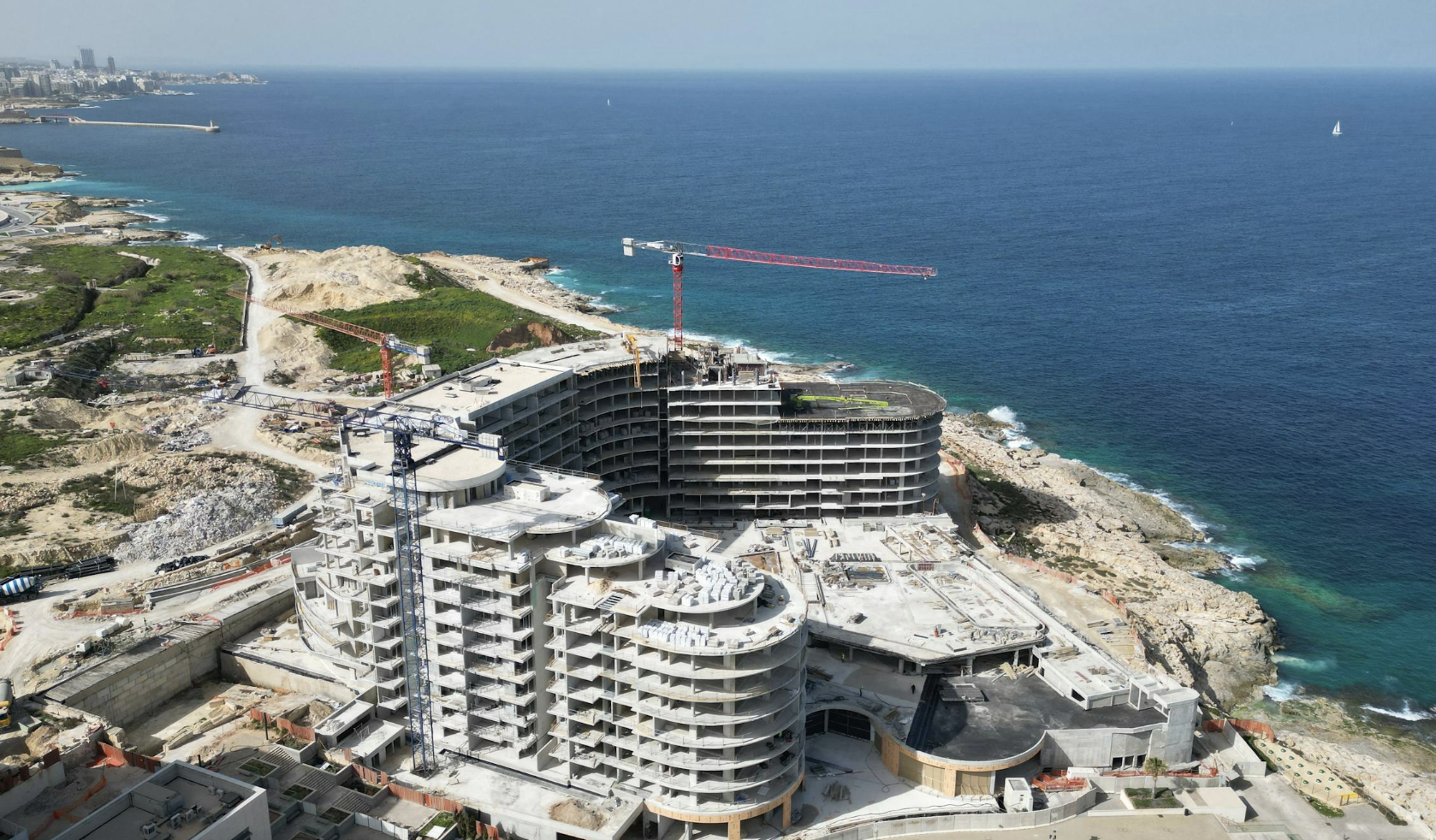
Construction in Malta: what every homebuyer needs to know
The Maltese property market has unique quirks and challenges that can catch buyers off-guard if they’re not fully prepared. From the island’s long planning procedures to hidden construction faults, understanding what to scrutinize before signing is the key to avoiding disappointment, unexpected costs and legal headaches.
Malta’s building landscape
Malta’s construction industry combines modern developments with a dense stock of older stone buildings. Many of the picturesque traditional townhouses or older apartment blocks were constructed decades ago, long before modern comfort and energy standards were introduced. As a result, properties built before recent regulatory reforms often suffer from poor thermal performance, inadequate sound insulation and latent issues like dampness or humidity, problems that are common in Mediterranean climates and significantly affect living comfort and running costs.
In contrast, new builds and contemporary developments are required to meet stricter standards that include better insulation, double-glazed windows, and energy efficiency measures. However, not all projects on the market are built to high standards and some developers may prioritize speed or profit over construction quality. This means buyers must be vigilant about what lies beneath the surface finishings.
The importance of construction year and standards
When evaluating a property, one of the first things to consider is its year of construction. Buildings erected before certain regulatory updates may not comply with current energy efficiency and building performance standards. Older properties often lack proper wall or roof insulation, which in Malta’s hot summers and humid winters can lead to high energy bills and poor comfort levels. Even among newer buildings, construction quality can vary. Buyers should look beyond glossy advertising photos and ask for full technical specifications. Things like the thickness and quality of insulation, waterproofing systems in terraces and roofs, and the calibre of structural materials influence both long-term durability and comfort. Cutting corners in these areas may not only affect resale value but also pose safety concerns down the line.
Permits and planning checks
One of the most critical issues property buyers in Malta face relates to building permits and planning compliance. Any alteration, extension or renovation must have the necessary permits issued by the Malta Planning Authority (PA). Failing to verify that all works carried out on a property were legally authorised can lead to major problems. If unpermitted work is discovered after purchase, new owners may be required to undo those works, apply for retrospective approval, or face fines, all of which can incur significant cost and delay.
For new builds, it’s essential to confirm that the structure was developed exactly as approved in the planning permit. Discrepancies between what was permitted and what was built are more common than many buyers realise, especially when buying off-plan. Ensuring that the final property conforms to the approved plans not only avoids legal issues but also ensures you’re getting what you paid for.
Role of the architect and professional advisors
In Malta, architects (periti) play a fundamental role not just in designing buildings, but in ensuring that they are compliant and structurally sound. A qualified local architect must submit permits, oversee construction plans and manage compliance certifications. When buying a property, engaging your own architect early in the process can be invaluable. They can help interpret plans, check permit histories, identify hidden defects and highlight potential compliance issues that even an experienced buyer might miss. Skipping this step can be costly. Without proper inspection and professional advice, buyers risk inheriting issues like illegal alterations, inaccurate structural plansor inadequate services. Independent legal and architectural advice provides a layer of protection that many buyers overlook at their peril.
Compliance certificates and final handover
Before any property can be fully utilised, it should have a valid Compliance Certificate issued by the Planning Authority. This document confirms that the property was built in accordance with its approved permit and conditions. Without it, banks may refuse mortgage financing, utility companies might delay connections and future buyers could insist on its production before they commit. A compliance certificate is more than an administrative detail, it protects buyers from legal and financial risks and provides a crucial assurance that the building meets required standards. Hiring a proficient professional to manage this process is strongly recommended.
Avoiding disappointment: practical tips
Given all these complexities, how can prospective buyers protect their investment and enjoy peace of mind? First, always conduct thorough due diligence. Visit the property in person, inspect adjoining structures and consider multiple time slots to assess noise and environmental conditions. Don’t rely solely on agent photos or descriptions, which may gloss over issues such as insufficient ceiling height or non-compliant room classifications.
Second, enlist both legal and architectural experts before signing any contract. A lawyer familiar with Maltese property law can safeguard you from title disputes and regulatory pitfalls, while an architect can verify building compliance, structural integrity and potential renovation needs.
Third, confirm the permit history, planning compliance and, if applicable, ensure any irregular works are regularised before completion of sale. Including clear clauses in the promise of sale related to permits and compliance can provide crucial protection in case issues arise.
Finally, assess your budget realistically. Budget not only for the purchase price, but also for potential renovation, insulation upgrades or compliance costs, especially if the property is older. Awareness and preparation help avoid surprises that could otherwise turn your dream investment into an expensive burden.