
Posted on Leave a comment

Complete guide to hiring reliable workers and freelancers

Worker

Complete guide to hiring reliable workers and freelancers

Malta has a growing market of freelancers, contractors and service providers offering everything from handyman services to professional business support like accounting, web design, marketing and IT support. However, not every worker provides the same level of professionalism, reliability or transparency. Learning how to evaluate a professional before hiring them can save you time, money and frustration.

Service market in Malta and the most requested workers

Malta has a very active service economy. Because of the large number of rental properties, tourism activity and growing businesses, many people regularly search for workers who can provide reliable services. The most common requests include electricians, plumbers, builders, painters, cleaners, air conditioning technicians, appliance repair specialists, gardeners and moving companies. Many people also look for freelance professionals such as graphic designers, web developers, photographers, translators, accountants and digital marketing specialists.

In the construction and property sector especially, reliable workers are in constant demand. Renovation projects, property maintenance, and home improvements are extremely common across Malta, Gozo and the surrounding areas. As a result, many independent contractors and small service businesses operate locally, offering competitive prices but varying greatly in quality.

At the same time, the freelance economy is growing rapidly. Many professionals in Malta offer services remotely or independently rather than through large companies. This includes consultants, social media managers, copywriters and IT technicians. While freelancers can often offer more flexible prices and personalized service, it is important to verify their experience and professionalism before hiring them.

Because of this wide variety of service providers, clients must take time to verify credibility and reliability before booking a worker for any job.

How to know if a service provider or freelancer is reliable?

One of the first things to look at when searching for a reliable worker in Malta is their online presence. A professional service provider usually has at least one form of digital visibility. This could be a website, a Facebook page, a Google Business listing, a portfolio or profiles on freelance platforms. These platforms allow potential clients to see reviews, previous projects and customer feedback. Customer reviews are one of the most valuable indicators of reliability. When a worker has many positive reviews from real clients, it often shows consistent quality and professionalism. On the other hand, workers with no reviews, limited information or unclear contact details should be approached with caution. Genuine reviews often mention punctuality, quality of work, pricing transparency,and communication.

Another important step is requesting a clear quote before confirming any job. A professional service provider in Malta should be able to explain what the job includes, the estimated cost, the materials required and the timeframe for completion. Reliable workers usually provide written quotes or messages confirming the agreement so that both parties understand the expectations.

Communication is also a strong indicator of professionalism. Workers who respond clearly, answer questions, and explain their process usually take their work seriously. Poor communication, vague answers or constant price changes can sometimes signal potential problems.

Checking past work is another important step. For example, builders, painters, photographers and designers often have portfolios of completed projects. Seeing real examples of previous work helps confirm the quality of the service.

Important things to verify

Before hiring any freelancer, contractor, or service provider in Malta, it is important to verify several practical aspects that protect you as a client. One of the most important elements is ensuring that the worker can provide a receipt or invoice for the work performed. A legitimate professional or registered business should be able to provide proper documentation of the transaction. Receipts and invoices are important not only for financial transparency but also for accountability. If any issue arises with the service, having written proof of the agreement can help resolve disputes more easily. For businesses, this documentation is also necessary for accounting and tax purposes.

Another key factor is confirming the full price before work begins. Some unreliable workers may initially quote a low price and then increase the cost during the job. A clear agreement about pricing, materials, and additional costs helps prevent misunderstandings. Timing and availability should also be discussed in advance. Reliable service providers generally respect agreed schedules and communicate if delays occur. In Malta, where many workers handle multiple jobs simultaneously, scheduling clarity is important.

Insurance and professional experience may also be relevant depending on the type of service. For example, electricians, builders, and contractors working on property projects should ideally have experience and proper safety practices.

Finally, trust your instinct when evaluating a worker. Professionalism is often reflected in punctuality, communication, transparency, and overall attitude. A reliable service provider will aim to build long-term relationships with clients and maintain a good reputation within the local community.

Other articles

Posted on Leave a comment

Labour of tomorrow: high-paying jobs of the future

digital job

Labour of tomorrow: high-paying jobs of the future

Automation, artificial intelligence, climate change and digital globalization are reshaping entire industries. For a small yet highly dynamic country like Malta, these changes are not distant trends; they are immediate realities. The labour of tomorrow is being shaped today, and those who choose to train early in emerging professions will be the ones commanding the highest salaries in the years ahead.

Malta’s strategic position in the Mediterranean, its strong services economy and its rapid adoption of digital technologies make it uniquely positioned to benefit from future-focused careers. At the same time, the island’s limited workforce means that specialized, high-skill roles will become even more valuable and better paid. Preparing for the labour of tomorrow is not only about personal success but also about strengthening Malta’s competitiveness on the global stage.

AI-driven careers

Artificial intelligence is no longer experimental technology. It is rapidly becoming the backbone of finance, healthcare, logistics, marketing, gaming and government services. In Malta, where sectors like iGaming, fintech and digital services are already central to the economy, AI-driven careers will dominate the labour market of the future.

AI engineers, machine learning specialists, data scientists and automation architects will be among the most sought-after professionals. These roles require deep technical skills in programming, mathematics and systems thinking, but they offer exceptional earning potential. As companies in Malta increasingly adopt AI tools to streamline operations and gain competitive advantages, professionals who can design, train and maintain intelligent systems will command premium salaries.

Cybersecurity is another digital field set to explode in importance. With Malta positioning itself as a digital and financial hub, protecting sensitive data will become critical. Cybersecurity analysts, ethical hackers and digital risk managers will not just be support roles, they will be strategic decision-makers safeguarding national infrastructure and corporate reputations. As digital threats grow more sophisticated, the value of cybersecurity expertise will rise sharply.

Blockchain and decentralized technologies will also play a vital role in Malta’s economic future. The country has already positioned itself as a forward-thinking jurisdiction for digital assets. Developers and compliance experts who understand blockchain infrastructure, smart contracts and digital regulation will find themselves in high-paying positions as these technologies become embedded in mainstream financial systems.

Training in coding, data analytics, AI development, and cybersecurity today is an investment in tomorrow’s income. Universities, online platforms and specialized bootcamps offer accessible pathways into these fields. Those who start now will be ahead of the curve when demand peaks in the coming decade.

Green economy and sustainable infrastructure

Climate change is not simply an environmental issue: it is a massive economic driver. The global transition toward sustainability is creating entirely new professions and transforming traditional ones. For Malta, an island nation vulnerable to rising sea levels and environmental pressures, green expertise will become indispensable.

Renewable energy engineers, sustainability consultants, and environmental data analysts will be at the forefront of Malta’s infrastructure transformation. Solar and wind technologies are expanding, and as Malta increases its reliance on renewable energy sources, professionals trained in energy systems design and maintenance will be highly valued.

Sustainable construction and green architecture will also shape the labour of tomorrow. As environmental regulations tighten across Europe, developers in Malta will need architects and engineers who understand eco-friendly materials, energy-efficient design, and climate-resilient construction. These professionals will not only earn competitive salaries but will also influence how Malta evolves physically over the next fifty years.

Electric mobility and smart transport systems represent another growing field. With increasing investment in electric vehicles and intelligent traffic management, specialists in battery technology, charging infrastructure and smart grid systems will find lucrative opportunities. Given Malta’s dense urban landscape, innovative transport solutions will be essential, making these roles central to national planning.

Training in environmental science, renewable engineering, sustainable design, and green project management today will position individuals for leadership roles tomorrow. The green economy is not a niche, it is becoming the core of modern development policy, and Malta is no exception.

Human-centric digital services

As automation handles repetitive tasks, uniquely human skills combined with digital fluency will define another category of high-paying careers. The labour of tomorrow will value professionals who can blend technology with creativity, empathy and strategic thinking.

Virtual reality and augmented reality developers will shape industries from gaming to education and tourism. Malta’s thriving entertainment and digital gaming sectors create fertile ground for immersive experience designers. As virtual environments become mainstream for training, marketing and remote collaboration, specialists in immersive design will be in high demand.

User experience designers and digital product strategists will also play critical roles. In a competitive global market, Maltese businesses must offer seamless, intuitive digital platforms. Professionals who understand human behavior and can translate it into elegant digital solutions will be highly valued, especially in finance, healthcare,and e-commerce.

Telemedicine and digital health services are expanding rapidly. Healthcare professionals who combine medical training with digital systems knowledge will be uniquely positioned. Remote diagnostics, AI-assisted treatment planning and digital patient management systems will redefine healthcare delivery in Malta, particularly given the island’s compact geography and growing population.

Digital marketing strategists and online brand managers will continue to grow in importance as businesses compete globally. However, future marketing roles will require deep data analysis skills and AI integration, not just creativity. Professionals who can interpret large datasets and craft personalized campaigns will earn significantly more than traditional marketers.

As these professions emerge and mature, visibility becomes essential. Promoting these new services and skills online is no longer optional. Platforms such as Saverbookr provide an important space for professionals in Malta to showcase emerging expertise, connect with clients and build reputations in innovative sectors. Early adopters who position themselves on digital platforms gain trust and recognition before markets become saturated. In the labour of tomorrow, being discoverable online will be as important as having the skills themselves.

Other articles

Posted on Leave a comment

Construction in Malta: what every homebuyer needs to know

Construction Malta

Construction in Malta: what every homebuyer needs to know

The Maltese property market has unique quirks and challenges that can catch buyers off-guard if they’re not fully prepared. From the island’s long planning procedures to hidden construction faults, understanding what to scrutinize before signing is the key to avoiding disappointment, unexpected costs and legal headaches.

Malta’s building landscape

Malta’s construction industry combines modern developments with a dense stock of older stone buildings. Many of the picturesque traditional townhouses or older apartment blocks were constructed decades ago, long before modern comfort and energy standards were introduced. As a result, properties built before recent regulatory reforms often suffer from poor thermal performance, inadequate sound insulation and latent issues like dampness or humidity, problems that are common in Mediterranean climates and significantly affect living comfort and running costs.

In contrast, new builds and contemporary developments are required to meet stricter standards that include better insulation, double-glazed windows, and energy efficiency measures. However, not all projects on the market are built to high standards and some developers may prioritize speed or profit over construction quality. This means buyers must be vigilant about what lies beneath the surface finishings.

The importance of construction year and standards

When evaluating a property, one of the first things to consider is its year of construction. Buildings erected before certain regulatory updates may not comply with current energy efficiency and building performance standards. Older properties often lack proper wall or roof insulation, which in Malta’s hot summers and humid winters can lead to high energy bills and poor comfort levels. Even among newer buildings, construction quality can vary. Buyers should look beyond glossy advertising photos and ask for full technical specifications. Things like the thickness and quality of insulation, waterproofing systems in terraces and roofs, and the calibre of structural materials influence both long-term durability and comfort. Cutting corners in these areas may not only affect resale value but also pose safety concerns down the line.

Permits and planning checks

One of the most critical issues property buyers in Malta face relates to building permits and planning compliance. Any alteration, extension or renovation must have the necessary permits issued by the Malta Planning Authority (PA). Failing to verify that all works carried out on a property were legally authorised can lead to major problems. If unpermitted work is discovered after purchase, new owners may be required to undo those works, apply for retrospective approval, or face fines, all of which can incur significant cost and delay.

For new builds, it’s essential to confirm that the structure was developed exactly as approved in the planning permit. Discrepancies between what was permitted and what was built are more common than many buyers realise, especially when buying off-plan. Ensuring that the final property conforms to the approved plans not only avoids legal issues but also ensures you’re getting what you paid for.

Role of the architect and professional advisors

In Malta, architects (periti) play a fundamental role not just in designing buildings, but in ensuring that they are compliant and structurally sound. A qualified local architect must submit permits, oversee construction plans and manage compliance certifications. When buying a property, engaging your own architect early in the process can be invaluable. They can help interpret plans, check permit histories, identify hidden defects and highlight potential compliance issues that even an experienced buyer might miss. Skipping this step can be costly. Without proper inspection and professional advice, buyers risk inheriting issues like illegal alterations, inaccurate structural plansor inadequate services. Independent legal and architectural advice provides a layer of protection that many buyers overlook at their peril.

Compliance certificates and final handover

Before any property can be fully utilised, it should have a valid Compliance Certificate issued by the Planning Authority. This document confirms that the property was built in accordance with its approved permit and conditions. Without it, banks may refuse mortgage financing, utility companies might delay connections and future buyers could insist on its production before they commit. A compliance certificate is more than an administrative detail, it protects buyers from legal and financial risks and provides a crucial assurance that the building meets required standards. Hiring a proficient professional to manage this process is strongly recommended.

Avoiding disappointment: practical tips

Given all these complexities, how can prospective buyers protect their investment and enjoy peace of mind? First, always conduct thorough due diligence. Visit the property in person, inspect adjoining structures and consider multiple time slots to assess noise and environmental conditions. Don’t rely solely on agent photos or descriptions, which may gloss over issues such as insufficient ceiling height or non-compliant room classifications.

Second, enlist both legal and architectural experts before signing any contract. A lawyer familiar with Maltese property law can safeguard you from title disputes and regulatory pitfalls, while an architect can verify building compliance, structural integrity and potential renovation needs.

Third, confirm the permit history, planning compliance and, if applicable, ensure any irregular works are regularised before completion of sale. Including clear clauses in the promise of sale related to permits and compliance can provide crucial protection in case issues arise.

Finally, assess your budget realistically. Budget not only for the purchase price, but also for potential renovation, insulation upgrades or compliance costs, especially if the property is older. Awareness and preparation help avoid surprises that could otherwise turn your dream investment into an expensive burden.

Other articles

Posted on Leave a comment

Health and Wellness: 5 essential services to get better

Wellness

Health and Wellness: 5 essential services to get better

Malta offers exceptional opportunities to improve both physical and mental wellbeing. Investing in the right wellness services can transform your energy levels, appearance, and overall health. From expert personal trainers to rejuvenating spa therapies and advanced skin treatments, here are five essential services that can help you feel stronger, healthier and more confident.

Personal trainers in Malta: tailored fitness for real results

One of the most effective ways to improve your health is by working with a qualified personal trainer. In Malta, personal training services have expanded significantly, offering customized fitness programs designed for weight loss, muscle building, rehabilitation or performance enhancement. A personal trainer does more than guide workouts. They assess your fitness level, create structured training plans, correct your form to prevent injuries, and keep you accountable. With Malta’s outdoor-friendly environment, many trainers also provide outdoor sessions along the coast, combining exercise with fresh sea air and scenic views. For busy professionals, tailored sessions save time and deliver faster results compared to generic gym routines. Whether you prefer strength training, functional workouts, HIIT or mobility-focused sessions, personal trainers in Malta offer flexibility and expertise to match your goals.

Spa and relaxation services: restore body and mind

Wellness is not only about physical fitness. Relaxation plays a critical role in reducing stress, improving sleep quality and maintaining mental balance. Spa services in Malta provide the perfect escape from daily pressures. From therapeutic massages to hydrotherapy and holistic treatments, local spas combine modern wellness techniques with Mediterranean tranquility. Regular massage therapy can help relieve muscle tension, improve circulation, and support recovery after intense workouts. Many wellness centers also offer aromatherapy sessions and relaxation rituals designed to calm the nervous system. In a fast-paced world, scheduling regular spa visits can significantly enhance long-term wellbeing and emotional resilience.

Advanced skin treatments: healthy skin, lasting confidence

Skin health is a key component of overall wellness. In Malta, aesthetic clinics and dermatology centers provide advanced skin treatments that address both cosmetic and medical concerns. Popular treatments include deep-cleansing facials, chemical peels, microneedling, and anti-aging therapies. These services help improve skin texture, reduce pigmentation and stimulate collagen production. With Malta’s strong sun exposure throughout the year, professional skin care is particularly important to prevent premature aging and sun damage. Modern skin treatments focus not only on appearance but also on long-term skin health. Professional consultations ensure that each treatment plan is tailored to your skin type and lifestyle, helping you maintain a natural, radiant look.

Nutritional guidance and wellness coaching

Physical activity alone is not enough to achieve optimal health. Nutrition plays a fundamental role in energy levels, immune function, and weight management. Wellness coaching and nutritional guidance services in Malta are increasingly popular among individuals seeking sustainable lifestyle changes. Qualified nutritionists and wellness coaches create personalized meal plans based on individual goals, whether it is weight loss, muscle gain, digestive health or improved metabolic balance. These professionals also provide behavioral strategies that support long-term healthy habits rather than short-term dieting. With access to fresh Mediterranean produce, local nutritional programs often incorporate balanced, whole-food approaches that align perfectly with the island’s culinary traditions.

Holistic therapies and preventive health services

Preventive health and holistic therapies are becoming central to the wellness culture in Malta. Services such as physiotherapy, chiropractic care, acupuncture and mindfulness therapy contribute to overall balance and injury prevention. Physiotherapy helps individuals recover from injuries and manage chronic pain, while chiropractic treatments focus on spinal alignment and posture improvement. Mindfulness sessions and stress management therapies support mental clarity and emotional wellbeing, which are just as important as physical strength.

Other articles

Posted on Leave a comment

5 ideas of lucrative business in Malta

work in Malta

5 ideas of lucrative business in Malta

Whether you are a local resident or considering relocating to Malta, there are several low-competition and high-potential business ideas that are relatively easy to start. Discover 5 lucrative business ideas in Malta, including rare and underexploited niches that require moderate investment and can be learned quickly.

1. Niche tourism experiences and micro-tours

Tourism remains one of the strongest pillars of the Maltese economy. With iconic destinations like Valletta and the famous Blue Lagoon in Comino, millions of visitors arrive every year. However, most tourists experience only mainstream attractions. This opens the door to niche tourism experiences that are still low in competition. Instead of launching a traditional tour company, you could focus on micro-tours tailored to specific interests. Examples include historical walking tours focused on the Knights of St. John, rural farming experiences in Gozo, photography tours at sunset or traditional Maltese cooking workshops in small groups.

These types of businesses are relatively easy to set up. You mainly need knowledge, communication skills and proper licensing. Many of these skills can be learned through short online courses in guiding, storytelling, or hospitality. Since Malta is small, transportation logistics are simple, and marketing can be done through Airbnb Experiences or social media platforms. Niche tourism has the advantage of low overhead costs and high margins, especially if you target premium travelers looking for authentic experiences.

2. Property management for short-term rentals

With the rise of digital nomads and long-stay tourists, areas like Sliema and St. Julian’s are packed with rental properties. Many owners live abroad and struggle to manage their apartments efficiently. Property management for short-term rentals is a lucrative and still relatively underdeveloped sector in Malta. While there are agencies, many small landlords prefer personalized services. You can offer key handovers, cleaning coordination, listing optimization, pricing strategy, and guest communication. This business requires organizational skills rather than formal qualifications. With a small team and partnerships with cleaning services, you can quickly scale. The demand remains strong as Malta continues to attract foreign workers, language students and remote professionals. If you are reliable and responsive, word-of-mouth spreads quickly in Malta’s compact real estate community, helping you grow without heavy advertising costs.

3. Specialized cleaning services

While general cleaning companies are common, specialized cleaning services are far less competitive in Malta. For example, post-construction cleaning, solar panel cleaning, industrial kitchen deep cleaning, and eco-friendly sanitization services are niche areas with growing demand. As Malta continues expanding with new residential and commercial developments, post-renovation cleaning services are particularly needed. Additionally, with sustainability trends rising, solar panel cleaning for villas and commercial buildings is an emerging opportunity. The startup costs are moderate, mainly involving equipment and transportation. Training can be completed in a short period, especially for technical cleaning procedures. Certifications in hygiene standards can further differentiate your business.

This type of business is often overlooked but offers recurring contracts and strong profit margins, particularly when targeting hotels and restaurants.

4. Elderly companion and lifestyle assistance services

Malta has one of the oldest populations in Europe. As family structures evolve and more young people work full-time, there is a growing need for non-medical elderly support services. Unlike full nursing care, companion and lifestyle assistance services focus on helping seniors with daily activities, companionship, shopping, light housekeeping and attending appointments. This niche remains relatively underdeveloped and often relies on informal arrangements. Setting up a registered service company that offers trustworthy and vetted companions can fill this gap. Basic caregiving skills can be learned through short courses, and empathy combined with reliability is highly valued. Because trust is essential, building a solid reputation is key. Once established, this business can generate stable, long-term income through monthly service packages.

5. Digital services for local small businesses

Despite Malta’s economic development, many small local businesses still lack professional digital presence. Restaurants, small shops, and family-owned services often have outdated websites or minimal social media activity. Launching a digital services agency focused exclusively on small Maltese businesses can be a profitable low-competition opportunity. Services can include website creation, local SEO optimization, Google Business profile management, social media marketing and content creation. The best part is that these skills are easy to learn online through affordable courses. You can start as a freelancer and gradually scale into an agency model. Because Malta is a small market, networking events and direct outreach are highly effective.

With increasing competition among hospitality and retail businesses, professional digital visibility is becoming essential, creating sustained demand for these services.

Other articles

Posted on Leave a comment

Learn new skills online and become your own boss

International Open Academy

Learn new skills online and become your own boss

In a world where remote work, freelancing and digital entrepreneurship are more accessible than ever, the desire to become your own boss is no longer a distant dream. It is a realistic path for anyone willing to learn new skills and take action. Thanks to online education platforms such as International Open Academy, it is now possible to retrain, specialize and launch a new professional activity from home.

The first step toward freedom

Traditional education often requires years of study, high tuition fees, and geographic constraints. Online learning removes these barriers. Today, anyone with an internet connection can access professional courses, practical training, and certification programs designed to prepare learners for real-world activities.

When you learn online, you gain flexibility. You can study at your own pace, in your own time, while maintaining your current job or responsibilities. This flexibility is essential for aspiring entrepreneurs who want to transition gradually into self-employment.

More importantly, online learning allows you to focus on skills that are directly monetizable. Instead of spending years in general education, you can choose targeted programs in fields such as event planning, nutrition coaching, child psychology, interior design, beauty, digital marketing, or bookkeeping. These are skills that can quickly evolve into freelance services or small businesses.

By choosing the right training, you are not just studying. You are investing in your independence.

International Open Academy makes career change accessible

International Open Academy offers a wide range of online courses designed to be practical, affordable and accessible worldwide. The platform focuses on skills that can lead directly to professional opportunities. One of the key advantages is accessibility. You can enroll at any time and start learning immediately. There are no strict academic prerequisites, making it ideal for individuals who want to pivot their career or explore a new professional path without going back to university.

The courses are structured to provide step-by-step guidance. Lessons are broken into manageable modules, allowing learners to progress gradually and build confidence. Upon completion, students receive certification, which can strengthen credibility when offering services or applying for freelance work.

Another important factor is diversity of fields. Whether you are interested in launching a wellness coaching practice, becoming an event planner, offering beauty services, or working remotely in administrative roles, there are programs designed to equip you with foundational and practical knowledge. This accessibility makes professional reinvention achievable, even for beginners.

Turning online training into real business opportunity

Learning is only the first step. The real transformation happens when you apply your new skills in the marketplace. After completing an online course, you can begin by offering your services on a freelance basis. Many new professionals start part-time, testing their skills with small projects while building confidence and experience. This gradual approach reduces risk and allows for organic growth. For example, someone who completes a nutrition course can begin offering personalized meal plans. A student trained in event planning can start organizing small local events. A beauty certification can lead to mobile services or home-based appointments. Each skill opens the door to self-employment possibilities.

With the growth of social media and digital marketing, promoting your services is more accessible than ever. You can build a simple website, create professional profiles, and connect directly with potential clients. Over time, as your reputation grows, so does your autonomy. Becoming your own boss does not happen overnight. It is the result of consistent learning, practical application, and strategic visibility.

Creating a career that resonates with you

One of the biggest motivations behind learning new skills is the desire to do something meaningful. Many people feel disconnected from traditional jobs that do not reflect their passions or values. Online education gives you the opportunity to explore areas that genuinely interest you. Instead of following a predefined career path, you can design your own. When your work resonates with your interests, motivation increases naturally. You are no longer working solely for a salary, but for personal fulfillment and long-term vision. This alignment often leads to greater satisfaction and resilience. Entrepreneurship requires effort and persistence, but when your activity reflects who you are, challenges become growth opportunities rather than obstacles.

Mindset shift to become your own boss

Beyond skills, becoming your own boss requires a shift in mindset. Online courses provide knowledge, but independence requires initiative. You must be willing to take responsibility for your results. This means setting goals, managing your time effectively, and continuously improving your expertise. The advantage of platforms like International Open Academy is that they provide a structured starting point. From there, your growth depends on action. The modern economy rewards adaptability. By continually learning new skills and staying open to opportunities, you build long-term security that does not depend on a single employer.

Other articles

Posted on Leave a comment

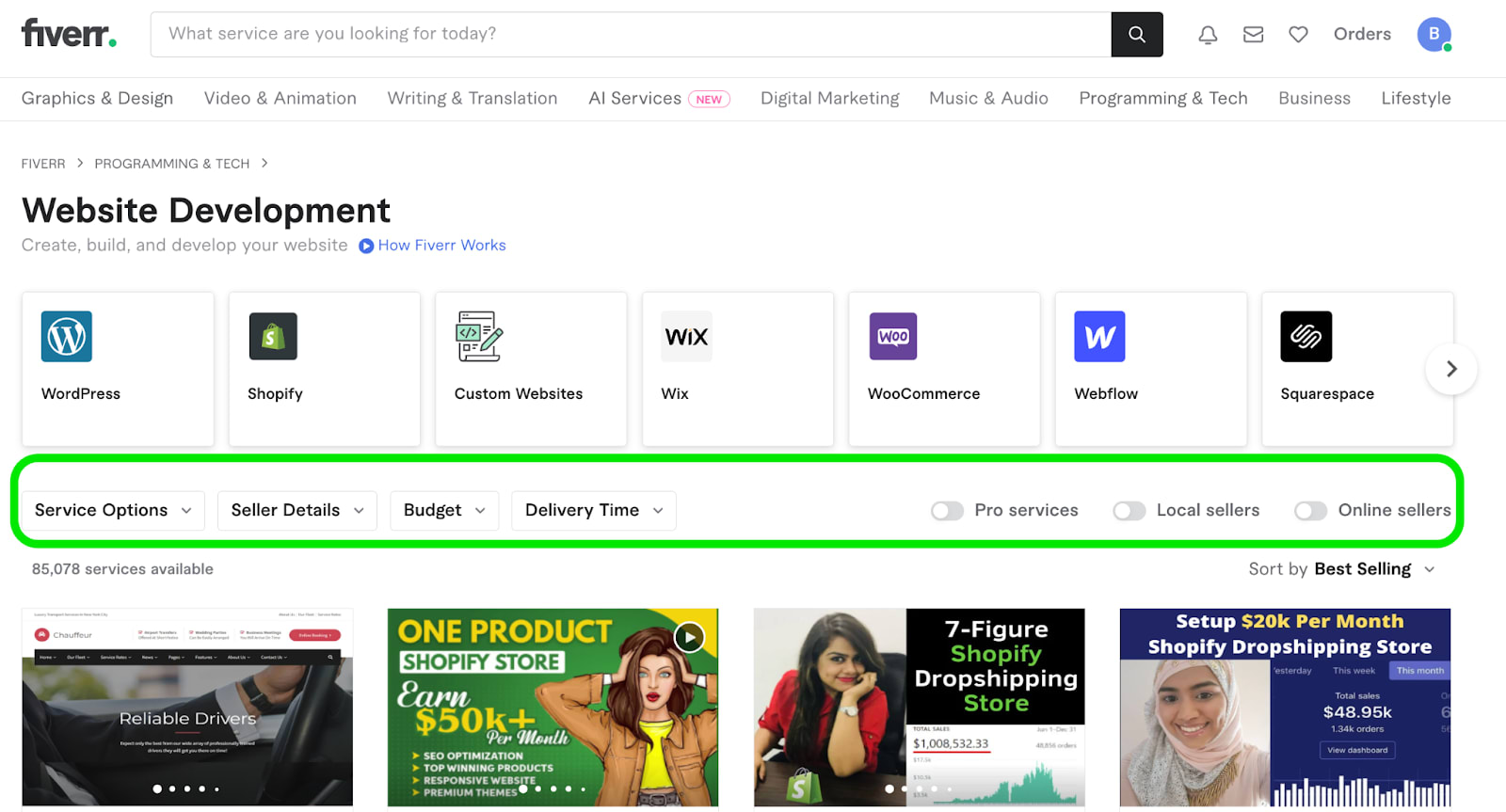
Can’t find a digital service locally? Find it online on Fiverr

Fiverr

Travel from Malta: your complete guide to stress-free adventures

Whether you are planning a quick weekend break or a longer holiday, traveling from Malta is easier than many people realize. With the right airline, smart booking tools, and a few insider tips, you can make every trip smoother, cheaper, and more enjoyable.

Choosing the right airline

When you fly from Malta International Airport, two airlines stand out for European travel: KM Malta Airlines and Ryanair.

KM Malta Airlines is the national carrier and a solid choice if you value comfort, convenient flight schedules and a more traditional flying experience. It connects Malta with important European hubs such as Rome, Milan, London, Paris, and Munich. If you are traveling for business, carrying more luggage or simply prefer a smoother airport experience, this airline is often worth considering. The service tends to be more straightforward and baggage policies are usually clearer compared to ultra low cost carriers.

On the other hand, Ryanair is ideal if you are looking for budget friendly fares and spontaneous city breaks. From Malta, you can fly to popular destinations like Barcelona, Madrid, Brussels, Vienna, Berlin, and Bologna. If you are flexible with your dates and book early, you can often secure very competitive prices. Just make sure you carefully check baggage rules, seat selection policies, and online check-in requirements so you avoid unnecessary extra fees.

Organize your entire trip easily

Planning a trip should feel exciting, not overwhelming. Instead of jumping between multiple websites, you can simplify everything by using Trip.com. This platform allows you to search and compare flights, book hotels, arrange airport transfers, and even reserve activities at your destination. By organizing your flights and accommodation in one place, you save time and often money. Trip.com also makes it easier for you to manage your bookings, track confirmations, and adjust plans if needed. If you are planning a multi city journey, keeping everything centralized helps you avoid confusion and reduces the risk of mistakes.

If your trip includes exploring beyond the main city, renting a car can completely transform your experience. That is where Localrent.com comes in. It connects you with local car rental providers, often offering more flexible terms and lower deposits than large international brands. When you land in destinations like Sicily, Spain or mainland Italy, having your own car gives you the freedom to discover smaller towns, scenic coastal roads, and hidden beaches that public transport might not easily reach.

Flight delays and cancellations

Even with good planning, travel disruptions can happen. Delays, cancellations and overbooked flights are sometimes unavoidable. If you are flying from Malta and your flight is delayed by more than three hours, you may be entitled to compensation under European passenger rights regulations.

This is where AirHelp can be very useful. AirHelp assists you in claiming compensation for delayed or cancelled flights without having to deal directly with complicated airline procedures. You simply submit your flight details and they handle the process. They only charge a fee if your claim is successful, which makes it a low risk option for you.

Always keep your boarding pass and booking confirmation emails. These documents are essential if you ever need to file a claim. Taking a few seconds to store them properly can save you significant stress later.

Smart travel tips to make every trip better

Traveling from Malta becomes even easier when you apply a few practical habits. Booking during off seasons such as spring and early autumn often gives you better prices and fewer crowds at your destination. Being flexible with travel dates can also make a noticeable difference in flight costs.

Packing light is another strategy that benefits you in multiple ways. It reduces baggage fees, speeds up your airport experience and makes moving between destinations simpler. If you frequently take short trips, investing in a well designed cabin bag is a smart decision.

Arriving at Malta International Airport with enough time before departure is also important, especially during summer when passenger traffic increases. Giving yourself at least two hours for European flights helps you start your trip calmly instead of rushing through security.

Finally, consider purchasing travel insurance even for short breaks. It provides protection in case of medical emergencies, cancellations, or lost luggage. With the right preparation and the right tools, you can turn every departure from Malta into a smooth and memorable adventure!

Other articles

Posted on Leave a comment

How to become a personal trainer in Malta?

Personal trainer

How to become a personal trainer in Malta

The fitness and wellness industry is booming worldwide, and Malta is no exception. With a growing interest in health, fitness, and well-being, becoming a personal trainer in Malta presents an excellent opportunity for those looking to make a career change. Whether you’re passionate about fitness, nutrition, or helping others achieve their health goals, a career as a personal trainer can be incredibly fulfilling. In this article, we will guide you through the essential steps on how to become a personal trainer in Malta, offering valuable advice on training, certification, and building a successful fitness career.

Personal trainer

Why choose a career as a personal trainer in Malta?

Before diving into the specifics, let’s explore why becoming a personal trainer in Malta is an appealing career choice :

Growing health and fitness market

The fitness industry in Malta has seen significant growth in recent years. With more gyms opening and a rising demand for personal trainers, this is a thriving sector. Health-conscious individuals are increasingly seeking guidance on how to improve their fitness levels, leading to a high demand for certified personal trainers.

Passion for helping others

If you’re passionate about fitness and enjoy helping others reach their personal goals, a career as a personal trainer provides a meaningful way to make a positive impact on people’s lives. From improving general health to helping clients achieve specific fitness goals, the job offers tremendous satisfaction.

Flexible work schedule

One of the key advantages of being a personal trainer is the flexibility it offers. Whether you choose to work independently, in a gym, or offer online personal training services, you have the freedom to set your hours and work around your lifestyle. This flexibility makes it an ideal career choice for people looking to balance work and personal life.

Step-by-step guide to becoming a personal trainer in Malta

Understand the role of a personal trainer

A personal trainer’s role goes beyond simply leading workouts. Personal trainers must have a broad knowledge of fitness, anatomy, nutrition, and effective training techniques. Your responsibilities will include :

  • Conducting fitness assessments to evaluate a client’s health and fitness level.
  • Designing personalized fitness plans to meet clients’ specific goals.
  • Providing advice on nutrition and recovery strategies.
  • Motivating clients to stay consistent with their fitness routine.
  • Ensuring that clients perform exercises correctly and safely to prevent injury.

Assess your interests and skills

Before committing to a career as a personal trainer, it’s important to assess your passion for fitness and the necessary skills required to succeed in the role. Consider the following :

  • Passion for Fitness : are you passionate about staying fit and maintaining a healthy lifestyle? Your enthusiasm for fitness will help you inspire and motivate clients.
  • Interest in teaching : being a personal trainer means working closely with people, guiding them, and explaining exercises. If you enjoy teaching and helping others, this is a key trait of a successful personal trainer.
  • Knowledge of nutrition : nutrition plays a major role in a client’s fitness journey. Having a basic understanding of diet and nutrition is beneficial when providing clients with well-rounded advice.
  • Strong communication skills : as a personal trainer, you’ll be working with people from various backgrounds and fitness levels. Good communication skills are essential to explain exercises and provide clear instructions.

Pursue professional certification

While it is possible to work as a personal trainer without formal certification, having a recognized qualification is essential to gain the trust of clients and employers in Malta. Many employers, such as gyms and fitness centers, require certification before hiring personal trainers. Here’s how you can get started with certification :

  • Choose a recognized training program : there are various fitness institutions that offer personal trainer certifications in Malta and internationally. The most popular certifications are those accredited by reputable organizations like the National Academy of Sports Medicine (NASM), the American Council on Exercise (ACE), and the European Health & Fitness Association (EHFA).
  • Course structure : a standard personal training course typically covers anatomy, physiology, exercise science, nutrition, client assessment, and fitness programming. Courses are available in-person, online, or a combination of both.
  • Practical experience : some certification programs also include hands-on training or internship opportunities, where you can gain practical experience working with real clients under the guidance of experienced trainers.
  • Specializations: once you’ve obtained your basic personal trainer certification, you can enhance your expertise by pursuing specialized certifications in areas like strength training, group fitness, sports conditioning, or nutrition coaching. These specialties can help you stand out and cater to specific client needs.

Gain practical experience

Gaining practical experience is essential to becoming a skilled personal trainer. While certification provides you with the foundational knowledge, hands-on experience is key to mastering the role.

  • Start with an internship : many fitness centers and gyms in Malta offer internship opportunities for newly certified trainers. Internships allow you to gain real-world experience working with clients, observing senior trainers, and learning how to run fitness programs.
  • Work as an assistant trainer : if you’re not able to secure a full-time role, consider working as an assistant or shadowing experienced personal trainers. This will help you learn from their experience and build confidence in your own abilities.
  • Volunteer at local gyms or fitness events : volunteering can be a great way to build your reputation and network within the fitness community. Consider assisting with fitness events, community health programs, or local fitness workshops.

Set up your personal trainer business in Malta

After gaining experience and confidence as a personal trainer, you might want to start your own business. Here’s how you can get started :

  • Register your business : if you plan to operate as an independent personal trainer, you will need to register your business with the Maltese authorities. Ensure you follow all legal requirements, including obtaining necessary permits and insurance to protect both yourself and your clients.
  • Build your brand : create a strong personal brand that reflects your values and expertise. A professional website and active social media presence can help you connect with potential clients. Post fitness tips, success stories, and testimonials to showcase your expertise.
  • Network with other fitness professionals : building relationships with other personal trainers, gym owners, nutritionists, and wellness experts in Malta can open doors to new opportunities. You may also collaborate on workshops or group fitness classes to expand your reach.
  • Offer online coaching : given the increasing popularity of virtual fitness services, offering online personal training can help you reach clients beyond your local area. Consider developing online training programs or offering virtual one-on-one coaching to cater to busy individuals.

Stay updated and continue learning

The fitness and nutrition fields are constantly evolving, so it’s crucial to stay up-to-date with the latest trends, research, and techniques. Attend workshops, webinars, and fitness conventions, and consider taking advanced certifications to further develop your skills.

Other articles

Posted on Leave a comment

Understanding VAT for self-employed workers in Malta

VAT Malta

Understanding VAT for self-employed workers in Malta

Malta is a thriving hub for business, with a favorable environment for both local and international entrepreneurs. For self-employed individuals in Malta, understanding VAT (Value Added Tax) registration, obligations, and how taxes work is crucial to maintaining compliance and optimizing their business operations. Whether you are looking to establish yourself as a sole trader or register a company in Malta, this comprehensive guide will walk you through the essential steps for VAT registration, tax rates, and filing tax returns. By following these steps, you can ensure that your business is compliant and avoid penalties.

1. How to register as a company or sole trader in Malta

When setting up a business in Malta, the first decision you must make is whether you will register as a company or a sole trader. Both options come with different tax and regulatory implications, but for self-employed individuals, the choice typically comes down to personal preferences and business needs.

Sole trader

A sole trader is an individual who owns and runs their own business. In Malta, this is the simplest and most common structure for self-employed people. As a sole trader, you are personally responsible for your business’s debts and obligations.

Steps to register as a sole trader:

  • Choose a business name : although optional, you can choose a name for your business, which must be registered with the Malta Business Registry (MBR).
  • Register with the Commissioner for Revenue (CFR) : you need to register as self-employed with the CFR to operate legally.
  • Obtain a VAT number: if your business meets certain thresholds (discussed below), you will need to apply for a VAT number.

Company

Registering a company is often recommended for businesses looking for more structure, liability protection, or those that plan to employ other people. A company in Malta can either be a private limited liability company or a public limited company.

Steps to register a company :

  • Choose a company name and type : a private limited liability company (Ltd) is the most common structure for small businesses in Malta.
  • Register with the Malta Business Registry (MBR): your company must be incorporated and listed with the MBR.
  • Register with the Commissioner for Revenue : like sole traders, companies must also register with the CFR for tax purposes and obtain a VAT number if necessary.

2. How to get a VAT number in Malta

Value Added Tax (VAT) in Malta is a tax on the consumption of goods and services. Businesses that exceed certain thresholds must be registered for VAT, which allows them to charge VAT on their sales and claim back the VAT paid on business expenses.

VAT registration thresholds

Self-employed individuals must register for VAT in Malta if they meet the following criteria:

  • If you make annual taxable supplies of goods and services exceeding €35,000. This applies to both sole traders and companies.
  • For importers and exporters, VAT registration is generally mandatory, regardless of turnover.
  • If your business is involved in taxable activities (such as selling goods or services), you may need to register, even if your turnover is below the threshold. You should consult with the CFR to determine whether VAT registration is necessary.

How to apply for a VAT number

Once you have determined that VAT registration is necessary, you can apply for a VAT number by submitting an application to the Commissioner for Revenue (CFR). Here’s the process :

  • Online application : You can apply online via the CFR’s portal, which requires details about your business, your estimated turnover, and the type of services or goods you will be offering.
  • Documentation required : You will need to provide proof of identity, business details (if a company, including the registration certificate), and other relevant documents.
  • VAT certificate : Once your application is approved, the CFR will issue you a VAT registration certificate, and you will be able to start collecting VAT on your sales.

3. Tax rates for self-employed workers in Malta

Malta has a straightforward tax system for self-employed individuals, with a competitive tax rate structure for businesses. The tax rate depends on your income level and business type (sole trader or company). Here’s a breakdown of the taxes you’ll encounter:

Income tax for sole traders

Sole traders are taxed based on their personal income tax rates, which are progressive. As of 2025, these rates range from 0% to 35%, depending on your annual income :

  • Income up to €9,100 : 0% tax
  • Income between €9,101 and €14,500 : 15% tax
  • Income between €14,501 and €19,500 : 25% tax
  • Income above €19,501 : 35% tax

Corporate tax for companies

If you choose to register a company, the corporate tax rate in Malta is set at 35%. However, Malta offers an attractive tax refund system that allows shareholders to reclaim a significant portion of the tax paid by the company. The effective tax rate can be reduced to as low as 5% for international companies that qualify for tax refunds.

VAT rates

  • The standard VAT rate in Malta is 18%.
  • Reduced VAT rates apply to certain goods and services, such as 7% for accommodation services and 5% for some food products, medicine, and books.
  • Some goods and services may be exempt from VAT, such as medical care and education services.

4. Filing tax returns in Malta : when and how

Self-employed individuals and companies in Malta must file tax returns annually. Here’s what you need to know :

Income tax return (for sole traders)

Sole traders must submit their income tax return by June 30 of the year following the year in which the income was earned. For example, the tax return for income earned in 2025 must be submitted by June 30, 2026.

Steps to File Your Tax Return:

  • Online filing : you can submit your tax return online via the CFR’s portal. This portal allows you to file your taxes electronically, track your payments, and manage other tax-related tasks.
  • Tax payment : after filing, you must pay the taxes due by October 31st. Any outstanding taxes should be settled by this date to avoid penalties and interest.

Corporate tax return (for companies)

Companies must submit their tax returns on a yearly basis as well. The deadline for corporate tax returns is 12 months after the end of the financial year. For example, if your company’s financial year ends on December 31, your tax return must be submitted by December 31 of the following year.

VAT returns

Self-employed individuals who are VAT-registered must submit quarterly VAT returns. VAT returns must be filed within 30 days of the end of each quarter. For example, the first quarter ends on March 31, and the return is due by April 30. VAT returns detail the VAT you’ve collected on your sales and the VAT you’ve paid on business expenses. You’ll either remit the difference to the CFR or receive a refund if you have paid more VAT on purchases than you’ve collected on sales.

Other articles

Posted on Leave a comment

5 strategies to boost your freelance business

Freelance

5 strategies to boost your freelance business

In today’s dynamic gig economy, freelancers are continuously seeking ways to stand out and expand their client base. Whether you’re a seasoned freelancer or just starting out, implementing effective promotional strategies is crucial for long-term success. Here are five powerful methods to elevate your freelance business and attract more clients.

#1 Social Media Presence

Establishing a strong presence on social media platforms can significantly amplify your reach and visibility. Create professional profiles on LinkedIn, Instagram, Twitter, and Facebook, tailored to showcase your expertise and services. Share valuable content, engage with your audience, and leverage relevant hashtags to expand your network. Consistency is key; regularly update your profiles with recent projects, client testimonials, and industry insights to maintain relevance and attract potential clients.

#2 Search engine optimization

Your website serves as a virtual storefront, making it essential to optimize it for search engines (SEO). Conduct keyword research to identify terms relevant to your niche and integrate them naturally into your website’s content, headings, and meta descriptions. Publish high-quality blog posts addressing common pain points or offering valuable insights within your industry. By improving your website’s SEO, you increase the likelihood of appearing in search engine results, driving organic traffic, and attracting potential clients.

#3 Networking

Networking remains a cornerstone of business growth, even in the freelance world. Attend industry-related events, conferences, and workshops to connect with fellow professionals and potential clients. Join online communities, forums, and LinkedIn groups relevant to your niche to engage in meaningful discussions and establish yourself as a knowledgeable expert. Cultivate genuine relationships with peers and clients, as word-of-mouth referrals often lead to lucrative opportunities. Remember to reciprocate and offer support to others in your network, fostering a mutually beneficial environment.

Online booking system

Embracing technology can streamline your business operations and enhance the client experience. Consider listing your services on platforms like Saverbookr, a comprehensive business directory that enables clients to discover and contact professionals seamlessly. By being listed on Saverbookr, you increase your visibility and accessibility to potential clients seeking your services. Additionally, implementing an online booking system on your website simplifies the scheduling process and minimizes administrative tasks. Choose a user-friendly platform that allows clients to book appointments, receive automated reminders, and make payments seamlessly. By providing convenience and efficiency, you increase client satisfaction and foster loyalty to your freelance business.

#5 Personal branding

Your personal brand is a reflection of your skills, values, and unique selling proposition. Invest time in crafting a compelling brand identity that resonates with your target audience. Develop a professional logo, design consistent visual elements, and craft a compelling elevator pitch that clearly communicates your value proposition. Showcase your expertise through thought leadership initiatives such as guest blogging, speaking engagements, or hosting webinars. By cultivating a strong personal brand, you differentiate yourself from competitors and attract clients who align with your values and vision.

Other articles